More than meditation: Apps that helped me stay close to friends while traveling the world
Staying connected with friends used to mean long calls or rushed texts between time zones—until I started traveling more and life got busier. I missed deep conversations, shared quiet moments, even the simple comfort of knowing someone was truly present. Then I discovered meditation apps weren’t just for stress relief. They became bridges—helping me and my closest friends pause, breathe, and reconnect intentionally, no matter where we were. This is how technology quietly transformed not just my well-being, but my most important relationships.
The Loneliness Behind the Wanderlust: When Travel Pulls You Apart from Friends
There’s a quiet ache that comes with constant movement—one that doesn’t show up in photos or Instagram stories. I remember sitting in a café in Lisbon, sipping strong coffee as the sun lit up the tile walls, and suddenly realizing I hadn’t had a real conversation with my best friend in over a month. Not a rushed “How are you?” text, not a voice note lost in the chaos of daily life—but a true moment of connection. We both cared deeply. We always had. But between her early mornings in Toronto and my late nights in Portugal, we kept missing each other. Not physically, but emotionally. The calls got shorter. The silences grew longer. And I started to wonder—was our friendship fading, or were we just too busy to notice each other anymore?
This isn’t just my story. So many of us—mothers, travelers, women building lives across time zones—feel this subtle drift. We’re not neglecting our friendships on purpose. We’re juggling work, family, travel, and self-care. We love our friends, but we’re also exhausted. And in that exhaustion, we default to surface-level check-ins: “Good!” “Busy!” “Talk soon!” These words don’t lie, but they don’t tell the truth either. They don’t say, “I miss you.” They don’t say, “I’m thinking of you.” They don’t say, “I wish you were here.”
What I’ve come to understand is that distance isn’t just measured in miles or time zones. It’s measured in presence. And presence isn’t something we can rush. It’s something we have to make space for. That’s when I began to look for tools—not just to manage my travel stress, but to protect the relationships that mattered most. I didn’t expect to find the answer in an app I originally downloaded to help me sleep on red-eye flights. But sometimes, the most unexpected tools bring us back to what’s real.
How Meditation Apps Quietly Changed My Approach to Friendship
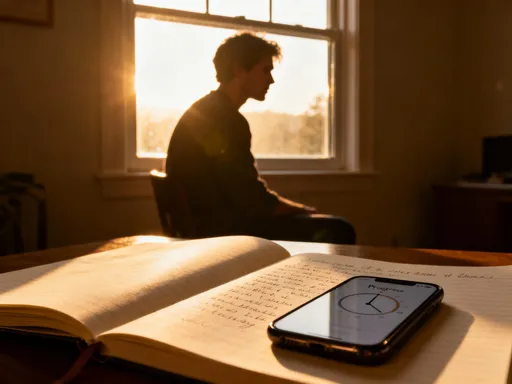
I downloaded my first meditation app after a particularly rough flight. I’d been awake for nearly 24 hours, my mind racing with itineraries, deadlines, and unanswered emails. I just wanted to shut off. The app promised “calm in five minutes,” and honestly, I was desperate enough to try anything. I put on my headphones, pressed play, and followed the voice guiding me to focus on my breath. I didn’t fall asleep, but something shifted. For the first time in days, I felt grounded. Not fixed, not perfect—but present.
Over time, I started noticing changes beyond better sleep. I became more aware of how I showed up in my relationships. I used to call my friends right after a stressful meeting or a delayed flight, and I’d be short, distracted, already thinking about the next thing. But with even a two-minute breathing exercise before a call, I could reset. I wasn’t just hearing them—I was listening. That small pause made all the difference. The app wasn’t just teaching me to meditate. It was teaching me to be a better friend.
One session, in particular, stayed with me. It was called “Listening with Kindness.” The guide asked me to imagine the person I was about to speak with as someone I deeply cared for—someone whose words mattered. “Before you respond,” she said, “pause. Breathe. Let their words settle.” I tried it the next time I called my sister. Instead of jumping in with my own story, I waited. I let her finish. And when I finally spoke, it wasn’t to fix or advise—it was to understand. She paused, then said, “You really heard me.” That moment changed everything. I realized mindfulness wasn’t just about me. It was about how I showed up for others.
These apps don’t promise to fix broken friendships or replace real conversations. But they do offer something powerful: the ability to be emotionally available, even when life is loud. And for someone like me—always on the move, always juggling—I’ve learned that showing up doesn’t require hours. Sometimes, it just requires a breath.
Shared Stillness Across Time Zones: Doing Meditation Together, Apart
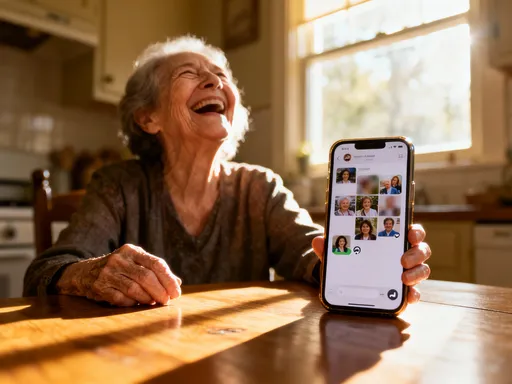
One rainy evening in Bangkok, I was feeling especially far from home. My friend Sarah, who lives in Berlin, texted me: “I miss our long talks.” I typed back, “Me too. What if we just… paused together?” I opened my meditation app, found a 10-minute guided session called “Together in Stillness,” and sent her the link. We jumped on a video call, turned our cameras off, and pressed play at the same time. For ten minutes, we sat in silence—miles and time zones apart, but breathing together.
Afterward, we turned our cameras back on. Neither of us spoke at first. Then Sarah smiled and said, “That was the most connected I’ve felt in months.” I felt it too. It wasn’t about talking. It wasn’t about sharing updates or solving problems. It was about sharing space—even if that space was digital, even if it was silent. In that stillness, something shifted. We weren’t performing. We weren’t catching up. We were just being—two friends, present for each other in the simplest way possible.
Since then, we’ve made it a ritual. Every Sunday night for her is Monday morning for me, and we meet in the app for a short meditation. Sometimes we use the same session. Other times, one of us picks a theme—gratitude, release, renewal—and sends it ahead of time. We don’t always talk afterward. Sometimes, we just send a heart emoji. But that small act—choosing to be still together—has deepened our bond in ways I never expected.
It’s not magic. It’s not a substitute for seeing each other in person. But in a world where we’re constantly expected to be “on,” this shared stillness feels radical. It says, “I see you. I’m here. You’re not alone.” And for two women navigating motherhood, careers, and the complexities of adult friendship, that quiet moment is worth more than a thousand texts.
Turning Notifications into Nurturing Moments
Let’s be honest—our phones are full of distractions. Notifications pop up all day: emails, social media alerts, news updates. Most of the time, I scroll past them without thinking. But I started to wonder: what if my phone could remind me to care, not just to consume? That’s when I began using my meditation app in a new way—not just for my own peace, but as a prompt to nurture my friendships.
I set up a daily reminder that says, “Time to breathe—and to remember someone you love.” When it pops up, I don’t just do a quick breathwork exercise. I take two minutes to focus on a friend. I think of her laugh, her strength, the last time we talked. I let myself feel grateful. And then, instead of just moving on, I open my messages and send her a real note: “Thinking of you today.” “Hope your week is gentle.” “I’m so proud of you.” Simple words. But they come from a place of presence, not habit.
This small shift changed how I use technology. Instead of letting my phone pull me into comparison or distraction, I use it to deepen connection. I’ve even customized the app’s “kindness reminders” to include names—so when it says, “Send a note of appreciation,” I think of Maria, or Lena, or my mom. These aren’t grand gestures. But over time, they’ve built a rhythm of care. My friends have started to notice. “You’ve been so present lately,” one said. “It means a lot.”
And here’s the beautiful thing: these moments don’t take extra time. They fit into the spaces I already have—the five minutes before a meeting, the quiet moment after the kids go to bed. By using the app as a tool for emotional intention, I’ve turned small digital nudges into real human warmth. It’s not about doing more. It’s about doing differently—with more heart.
Travel Made Calmer, Friendships Made Stronger
Travel used to leave me drained—not just physically, but emotionally. I’d arrive at my destination after a long flight feeling frazzled, irritable, already behind. And when a friend called to check in, I’d be too tired to really talk. I’d say “I’m fine,” but I wasn’t present. I was still stuck in the airport, the delay, the stress. I loved seeing new places, but I hated how travel made me pull away from the people I cared about.
Then I started using meditation as a travel ritual. Before boarding, I’d put on my headphones and do a five-minute grounding session. The guide would say things like, “Feel your feet on the floor. Breathe into your chest. You are safe. You are here.” It didn’t change the flight. But it changed me. I arrived calmer. More centered. And when my friend called to wish me happy birthday—yes, I’d forgotten it was her birthday until the alarm went off—I was actually able to show up. Not with a rushed “Happy birthday!” text, but with a real conversation. I listened to her stories. I laughed at her jokes. I told her I loved her. And for the first time in a long time, I meant it in the moment.
These tools didn’t eliminate travel stress. But they gave me emotional bandwidth. Instead of being overwhelmed, I could be available. I started using body scans during layovers, breathwork before hotel check-ins, and even silent meditations on trains. Each one was a reset—a way to come back to myself so I could be there for others. My friends noticed the difference. “You seem lighter,” one said. “Like you’re really with us now.”
And that’s the gift: technology helping me stay connected not despite travel, but because of how I use it. I’m not just seeing the world. I’m bringing my whole self to it—and to the people who matter most.
Choosing the Right App: Simplicity, Shared Access, and Emotional Design
Not all meditation apps are created equal—especially when it comes to friendship. I’ve tried several, and many feel too clinical, too isolating, or too focused on individual progress. What I needed was something that felt warm, simple, and built for connection. After months of testing, I learned what really matters: an interface that doesn’t require a tech degree to navigate, the ability to share sessions with friends, and features that encourage kindness, not just calm.
One app I’ve come to love lets you send “mindful moments” to others—a short meditation with a personal note attached. I once sent one to my sister with the message, “This reminded me of our walks together.” She listened while she folded laundry and texted back, “I felt you with me.” Another has shared playlists—so Sarah and I can both access “Our Sunday Calm” without searching. These small design choices make a big difference. They turn a personal tool into a relational one.
I also look for apps that avoid heavy metrics. I don’t need to know how many minutes I’ve “performed” or how my “stress score” compares to others. What I want is to feel closer, not tracked. The best apps feel like a quiet friend—gentle, encouraging, never judgmental. They remind me to breathe, to care, to pause. They don’t demand perfection. They just make space for what matters.
If you’re looking to try this, start simple. Pick an app with a free version, explore the guided sessions on gratitude or connection, and invite one friend to try a session with you. You don’t need fancy features. You just need willingness—to slow down, to listen, to be there. Because the right app isn’t about technology. It’s about humanity. And when it’s designed with heart, it can help us hold each other across any distance.
Friendship as a Practice—Not Just a Connection
I used to think of friendship as something that just happened—something that existed as long as we cared. But the truth is, the deepest connections don’t survive on love alone. They need attention. They need effort. They need practice. Just like meditation, friendship is something we grow by showing up—again and again, even when it’s hard, even when life gets loud.
These apps didn’t teach me how to fix my friendships. They taught me how to honor them. By pausing before a call, by meditating at the same time across time zones, by sending a mindful note instead of a quick text—I’ve learned that showing up doesn’t always mean speaking. Sometimes, it means being quiet together. Sometimes, it means holding someone in your thoughts with intention. And sometimes, it means simply remembering: I’m not alone, and neither are you.
Technology often gets blamed for pulling us apart. But used with care, it can do the opposite. It can help us slow down. It can remind us to breathe. It can create space for what really matters—our people. My travels haven’t stopped. Life is still busy. But now, I carry a small ritual with me: a breath, a pause, a moment of presence. And in that moment, I’m never really far from home. Because home isn’t a place. It’s the people who know your silence as well as your voice. And with a little help from an app, I’ve learned how to stay close—no matter where I am.