From Isolated to Connected: How Online Support Groups Quietly Changed My World
Living through tough times often feels like carrying a heavy weight alone. You smile, nod, and say “I’m fine,” but inside, the loneliness can be overwhelming. I used to think asking for help meant weakness—until I accidentally joined an online support group one late night. What started as a hesitant click turned into something life-changing. These quiet digital circles didn’t fix everything overnight, but they gave me something priceless: understanding, without judgment, from people who truly *got it*. This is how I went from feeling invisible to finally being seen.
The Moment I Felt Truly Alone
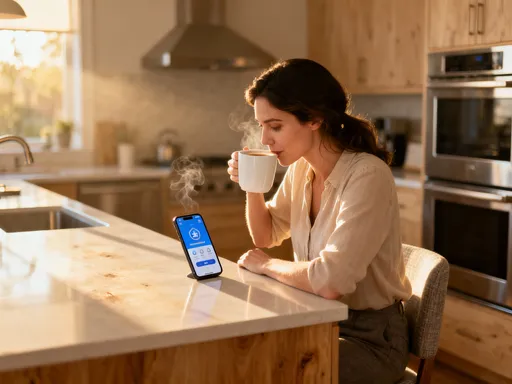
There was a season in my life when everything seemed to unravel at once. My mother had passed after a long illness, my youngest child started middle school—suddenly more distant than ever—and I was navigating a chronic health issue that doctors kept calling “stress-related.” I’d sit at the kitchen table in the early morning, coffee cooling in front of me, staring at the calendar full of appointments, to-dos, and obligations. I looked like I had it together. But inside, I was drowning.
I remember one particular afternoon when my daughter asked me to help with a science project. I nodded, smiled, and said, “Of course, sweetie.” But as soon as she left the room, I burst into tears. Not because I didn’t want to help her—because I felt so empty, so disconnected, that even simple moments felt impossible. I kept thinking, If I just push through, if I keep smiling, maybe I won’t fall apart. But the truth was, I already had. I just didn’t know how to say it out loud.
I wasn’t angry. I wasn’t dramatic. I was just… tired. Tired of pretending. Tired of feeling like no one truly understood what it was like to carry this quiet ache every single day. I didn’t want to burden my friends. They had their own lives, their own struggles. And I didn’t want to seem ungrateful—I had a roof, a family, food on the table. But grief, anxiety, and chronic pain don’t care about your blessings. They seep in quietly, like fog, and before you know it, you can’t see your own reflection.
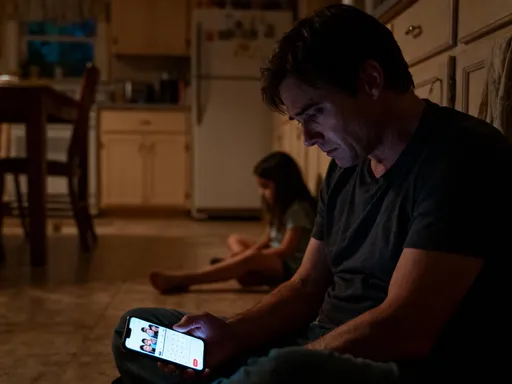
That night, I found myself scrolling on my phone past midnight. Not shopping, not watching videos—just searching. “Why do I feel so alone when I’m not?” “Is it normal to cry over small things?” “How do you ask for help when you don’t even know what you need?” The words felt clumsy, desperate. But they were honest. And in that moment, honesty was the only thing I had left.
Discovering a Door I Didn’t Know Was Open
One search led to another, and suddenly, I was reading a post titled, “Anyone else feel like they’re faking it every single day?” I clicked. And there it was—a forum filled with real people sharing their stories. Not influencers. Not experts. Just moms, daughters, sisters, and friends who were tired, hurting, and looking for connection. I read for hours. One woman wrote about losing her husband two years ago and how holidays still felt hollow. Another talked about living with fibromyalgia and how people would say, “But you look fine.” I kept nodding, my heart pounding. These people aren’t me—but they get me.
I was skeptical at first. Online groups? Really? Weren’t they full of strangers hiding behind screens, maybe even fake accounts or bots? I worried someone might judge me, minimize my pain, or worse—tell me to “just pray more” or “eat better.” But the longer I read, the more I noticed something different. No one was offering quick fixes. No one was telling anyone to “get over it.” Instead, they were saying things like, “That sounds really hard,” and “I’m so sorry you’re carrying that.” Simple words. But they landed like lifelines.
What struck me most was how easy it was to just be there. I didn’t need a referral. I didn’t have to wait six weeks for an appointment. I didn’t have to drive across town or pay a co-pay. All I needed was my phone and the courage to keep reading. There were no expectations. No eye contact. No pressure to “perform” strength or positivity. I could read without commenting. I could log off anytime. And that low barrier to entry—that quiet, no-strings-attached access—was exactly what I needed.
I didn’t join right away. I just lurked for days, maybe a week. But every night, I returned. It became my ritual—after the kids were in bed, after the dishes were done, I’d sit on the couch and open the app. It wasn’t about escaping my life. It was about finally feeling like I wasn’t the only one living it this way. And slowly, something shifted. I started to believe that maybe—just maybe—I wasn’t broken. Maybe I was just human.
The First Time Someone Said, “Me Too”
One evening, after a particularly rough day—my son had forgotten his lunch, I’d burned dinner, and my back pain flared up—I typed a short message. I don’t even remember the exact words, but it was something like, “Today broke me. I tried so hard to hold it together, and I still feel like a failure.” I hesitated before hitting “post.” My finger hovered over the screen. What if they think I’m weak? What if they don’t care? But I clicked anyway. And then I shut my phone off, afraid to look.
The next morning, I woke up to notifications. Dozens of them. I opened the app with my heart in my throat. And there it was—comment after comment. “Me too.” “I’ve had days like that.” “You’re not failing. You’re surviving.” One woman wrote, “Please don’t call yourself a failure. You showed up. That’s everything.” I started crying—quietly at first, then full-on sobbing. Not because my problems were gone, but because for the first time in years, I didn’t feel alone in them.
That moment changed something deep inside me. It wasn’t the comments themselves, though they were kind. It was the recognition. The feeling that someone, somewhere, had lived through the same storm and was reaching back to say, “I see you. You’re not crazy. You’re not broken.” That simple “me too” was like a key turning in a locked door. Shame doesn’t stand a chance when someone else says, “I’ve been there,” because suddenly, your pain isn’t a secret. It’s a shared language.
I began to notice how often people used those two little words—“me too”—in the group. They weren’t trying to one-up each other’s pain. They weren’t competing. They were connecting. And in that space, vulnerability wasn’t weakness. It was the bravest thing you could offer. Over time, I started sharing more—about my grief, my health struggles, the guilt I felt when I couldn’t be the mom I wanted to be. And every time I posted, someone responded with empathy, not judgment. That consistency—knowing I’d be met with kindness—started to rebuild my trust in people, in myself.
How These Spaces Grew Me, Quietly
I didn’t join the group to grow. I joined because I was hurting and didn’t know where else to turn. But growth happened anyway—slowly, gently, like a plant reaching for light it didn’t know was there. One of the first things I noticed was how much my perspective shifted. Before, I thought my struggles meant I was failing at life. But reading others’ stories helped me see them differently—not as failures, but as part of a much larger human experience.
I remember one post from a woman who wrote, “Today, I took a shower. That’s my win.” At first, I didn’t understand. But then others replied with things like, “That’s huge,” and “I’m proud of you.” I realized how easy it is to measure success by big things—career wins, clean homes, happy families—but what about the days when just getting out of bed is a victory? The group taught me to honor the small things. My “wins” started to change. A full night of sleep. A conversation with my daughter where I didn’t snap. A day without panic. These weren’t grand, but they were real. And they mattered.
I also learned practical things—simple coping strategies I still use today. One member shared how she used a five-minute breathing exercise when anxiety hit. Another talked about keeping a “gratitude log” during dark days. I tried them. Some worked. Some didn’t. But the point wasn’t perfection—it was trying. And seeing others be brave, even in tiny ways, gave me permission to be brave too. I started setting small goals: call my sister once a week. Walk around the block. Say “no” when I was overwhelmed. Each step felt scary at first, but the group was there to cheer me on.
What surprised me most was how my confidence grew. Not overnight, and not because I suddenly had all the answers. But because I was seen, heard, and valued—even on my worst days. That kind of acceptance changes you. It teaches you that you don’t have to earn love or belonging. You just have to show up as yourself. And slowly, I started to believe I was enough—exactly as I was.
Not a Cure, But a Compass
I want to be clear: the online group didn’t cure me. I still have hard days. I still grieve. I still manage my health with the help of doctors. But what the group did was give me direction. It was like having a compass when I was lost in the woods. It didn’t carry me out, but it showed me which way to go.
One of the most powerful moments was when a member gently suggested, “Have you thought about talking to a therapist?” I bristled at first. Isn’t that what this is? But then I realized—no, this was support, not treatment. The group wasn’t replacing professional care. It was encouraging it. Over time, I saw others share how therapy helped them, or how medication gave them stability. Their stories made me less afraid to seek help. I finally made that call to a counselor. It was one of the best decisions I’ve ever made.
The group also helped me understand that asking for help isn’t weakness—it’s wisdom. So many of us were raised to believe we had to do it all, be it all, carry it all. But these women—mothers, professionals, caregivers—were showing me a different way. They were saying, “I need help,” and “I’m not okay,” and still being strong. That redefined strength for me. It wasn’t about silence. It wasn’t about endurance. It was about honesty. It was about connection.
And in a world that often makes us feel like we’re failing if we’re not thriving, that message was revolutionary. The group didn’t promise miracles. But it offered something more real: solidarity. And that solidarity gave me the courage to take real steps toward healing—steps I might have been too afraid to take alone.
Building Trust in a Digital World
I’ll admit, I was nervous about trust at first. The internet can feel so anonymous, so impersonal. What if someone shared my story? What if I opened up and was mocked or ignored? But the group had clear rules—no judgment, no advice unless asked, no personal attacks. Moderators were active, kind, and consistent. And over time, I learned that trust isn’t built in grand gestures. It’s built in small moments—someone remembering your story, checking in when you’ve been quiet, celebrating your wins like they’re their own.
I started using a nickname—“MapleMom”—and never shared my last name or photos. But still, I felt known. Not by my appearance or my job title, but by my heart. I shared things I hadn’t told my closest friends. And in return, I received empathy, not gossip or pity. That anonymity wasn’t a wall—it was a bridge. It let me be honest without fear. I wasn’t performing. I was just being.
One of the most beautiful parts was how we supported each other across time zones. I’d post at 10 p.m., feeling low, and wake up to messages from women in Australia or the UK who’d seen it hours earlier. It reminded me that pain doesn’t sleep—and neither does compassion. There was always someone awake, someone listening. And that quiet presence—knowing I wasn’t alone, even in the middle of the night—was one of the most comforting things I’ve ever known.
Trust grew not because we met in person, but because we showed up consistently. We kept our promises to be kind. We honored each other’s boundaries. And in doing so, we built something rare: a digital home where people could be fragile and still feel safe.
A New Kind of Community, Always Within Reach
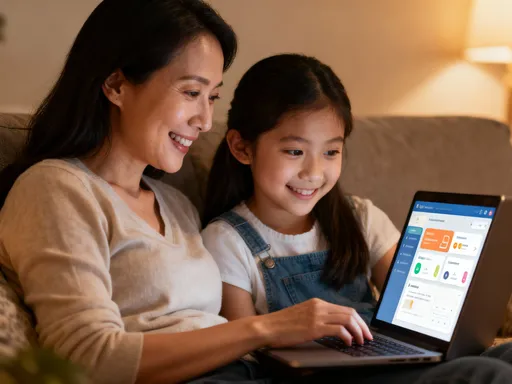
Today, the group is part of my routine—like morning coffee or checking the weather. I don’t post every day. Sometimes I just read. But knowing it’s there changes everything. On tough days, I open the app and type, “Rough one today.” Within minutes, replies come in: “Holding space for you,” “Sending warmth,” “You’re not alone.” It’s not magic. It’s not a fix. But it’s real. And sometimes, real is enough.
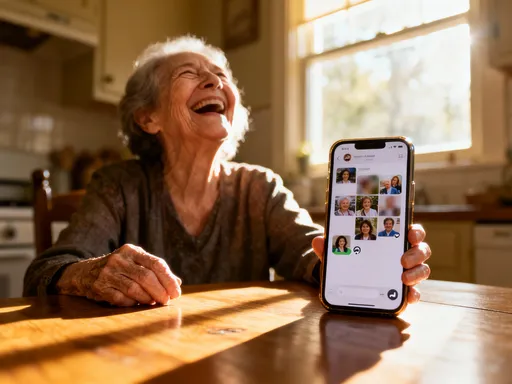
I’ve even made a few close friends through the group—women I now message privately, share life updates with, and even video chat occasionally. We’ve never met in person, but we’ve celebrated birthdays, mourned losses, and cheered each other through medical appointments and family crises. It’s a different kind of friendship—one built on depth, not proximity. And it’s just as meaningful.
What I didn’t expect was how this experience would change the way I move through the world. I’m kinder now—not just to others, but to myself. I listen more. I assume less. I’ve learned that everyone is fighting a battle I can’t see, and a little compassion goes a long way. I’m still a work in progress. But I’m no longer trying to do it alone.
Technology often gets a bad rap—too much screen time, too many distractions, too much comparison. But this? This was different. This was tech at its best: connecting hearts, quieting loneliness, and giving voice to the quiet struggles so many of us carry. It didn’t give me a perfect life. But it gave me something better—connection. And in a world that often feels too loud and too fast, that quiet understanding was the most powerful gift of all.